Book Lights
Are book lights bad for your eyes?
No — and the tired, gritty feeling after an hour of night reading has a different and better-understood cause. Here is what the evidence supports and what it does not.
By Scooter M. · Published · Last updated
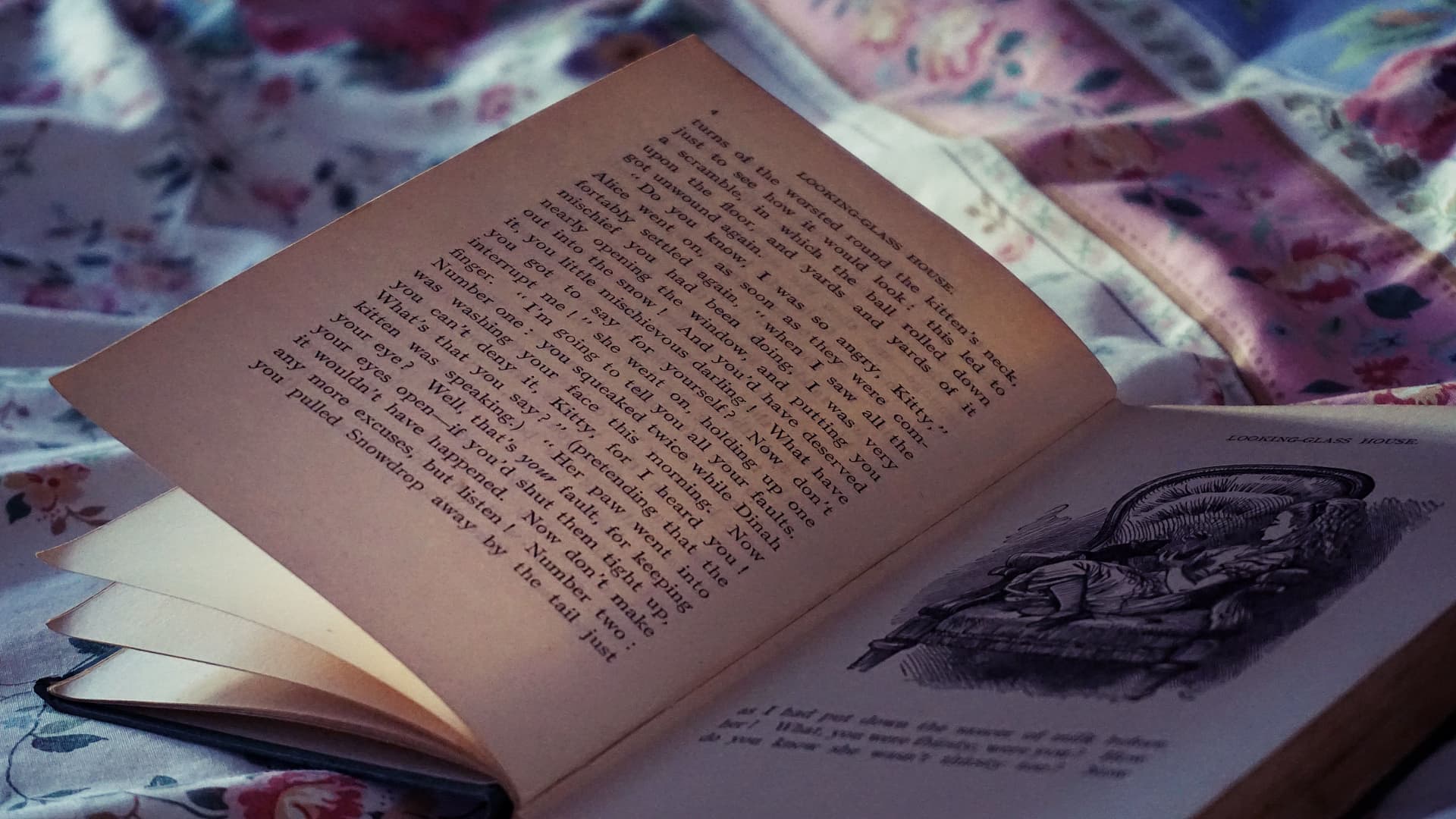
This question gets asked constantly and answered badly, usually by somebody selling a light. It is worth separating three different things that get bundled together: eye damage, eye strain, and sleep disruption. They are not the same and only one of them is a real reason to change what you are doing.
1. Damage
There is no good evidence that reading in low light causes structural damage to the eye. The belief is durable and mostly folkloric — the same category as sitting too close to the television. The American Academy of Ophthalmology's public guidance has said for years that reading in dim light will not damage your eyes, though it will tire them.
Blue light is the more current version of the same worry. The research on ordinary consumer-level exposure — screens, LED bulbs, book lights — does not support the claim that it damages the retina at those intensities. A book light at ten lumens a few inches from a page is a very small amount of light by any measure.
2. Strain, which is real
The gritty, heavy feeling after a long night-time read is real and has two ordinary causes.
- You blink less. Concentrated reading roughly halves blink rate, which dries the surface of the eye. That is the grittiness, and it is the same mechanism behind screen-related discomfort.
- Your focusing muscles hold one distance for a long time. Sustained near-focus is work, and after an hour without a break it feels like it.
Both fixes are dull and effective: look at something far away for twenty seconds every twenty minutes or so, blink deliberately, and do not read in a room so dark that the contrast between the lit page and the surrounding blackness is extreme. That last one is the one people get wrong with book lights — a bright pool in total darkness is harder work than the same page in a dim room.
3. Sleep, which is the one that matters
The genuine, evidence-backed reason to care about the light you read by at night is not your eyes; it is your sleep. Light in the blue-enriched part of the spectrum suppresses melatonin and delays sleep onset, and that effect is real, replicated and dose-dependent.
The practical consequence is straightforward and it is the same conclusion the rest of this section reaches from a different direction: read by the warmest setting your light offers, at the lowest brightness that is comfortable. A light with an 1800K amber setting is doing something useful for you; a light at 6000K daylight, four inches from your face, at midnight, is not. Our guide to color temperature covers which lights go how warm.
If your eyes hurt every time you read
That is not a lighting question. Uncorrected long-sightedness, an out-of-date prescription, and dry eye are all common, all ordinary, and all things an optometrist sorts out in one appointment. A better book light will not fix any of them, and buying one instead of getting an eye test is the wrong order to do things in.
Answers
Questions people actually ask
Are book lights bad for your eyes?
No. Reading by a book light, or in dim light generally, does not damage your eyes. It can leave them feeling tired, dry and strained afterwards, which is uncomfortable and temporary and resolves with rest. Ophthalmology guidance has been consistent on this for years: dim-light reading tires the eyes without injuring them.
Why do my eyes feel tired after reading at night?
Two ordinary reasons. Concentrated reading roughly halves your blink rate, which dries the eye surface and produces the gritty feeling. And holding a single near-focus distance for an hour is muscular work. Both are helped by looking at something distant for twenty seconds every twenty minutes, blinking deliberately, and not reading a brightly lit page in an otherwise pitch-black room.
Is blue light from a book light harmful?
There is no good evidence that blue light at consumer intensities — screens, LED bulbs, book lights — damages the retina. The effect that is well supported is on sleep rather than eye health: blue-enriched light suppresses melatonin and delays sleep onset. That is a real reason to use the warmest setting on your book light at night, and it has nothing to do with eye damage.
Is it better to read in a dark room or with the light on?
A dim room is easier on the eyes than a completely dark one. A brightly lit page surrounded by total blackness creates an extreme contrast that your eyes have to work against every time you look up. Leaving a low ambient light on, or using a warmer and dimmer setting on the book light, reduces that contrast and is more comfortable over a long session.
Can reading in dim light make you need glasses?
No. Needing glasses is driven by the shape of your eye and by age-related changes to the lens, not by how much light you read in. If reading has become uncomfortable or you find yourself holding books further away, that is a reason to book an eye test rather than to buy a brighter lamp.
Sources
Where the outside figures came from
- American Academy of Ophthalmology — computer use and eye strain — Public guidance on digital eye strain, blink rate and the 20-20-20 approach.
- National Eye Institute — eye health information — Background on eye strain and when symptoms warrant a professional opinion.
- CDC — light and the sleep-wake cycle — Background on light exposure, melatonin suppression and sleep timing.