Journals
How to start a reading journal that survives February
Most reading journals are abandoned within two months, and the reason is almost always the same: the entry is too long. Here is a setup built around that.
By Scooter M. · Published · Last updated
How we are paid: the buy links on this page are affiliate links. If you buy through one, Amazon pays us a commission at no extra cost to you. It does not change what we rank or what we tell you to skip — the full disclosure is here.

| # | Gift | Key spec | Best for | Score | Price |
|---|---|---|---|---|---|
| 1 | 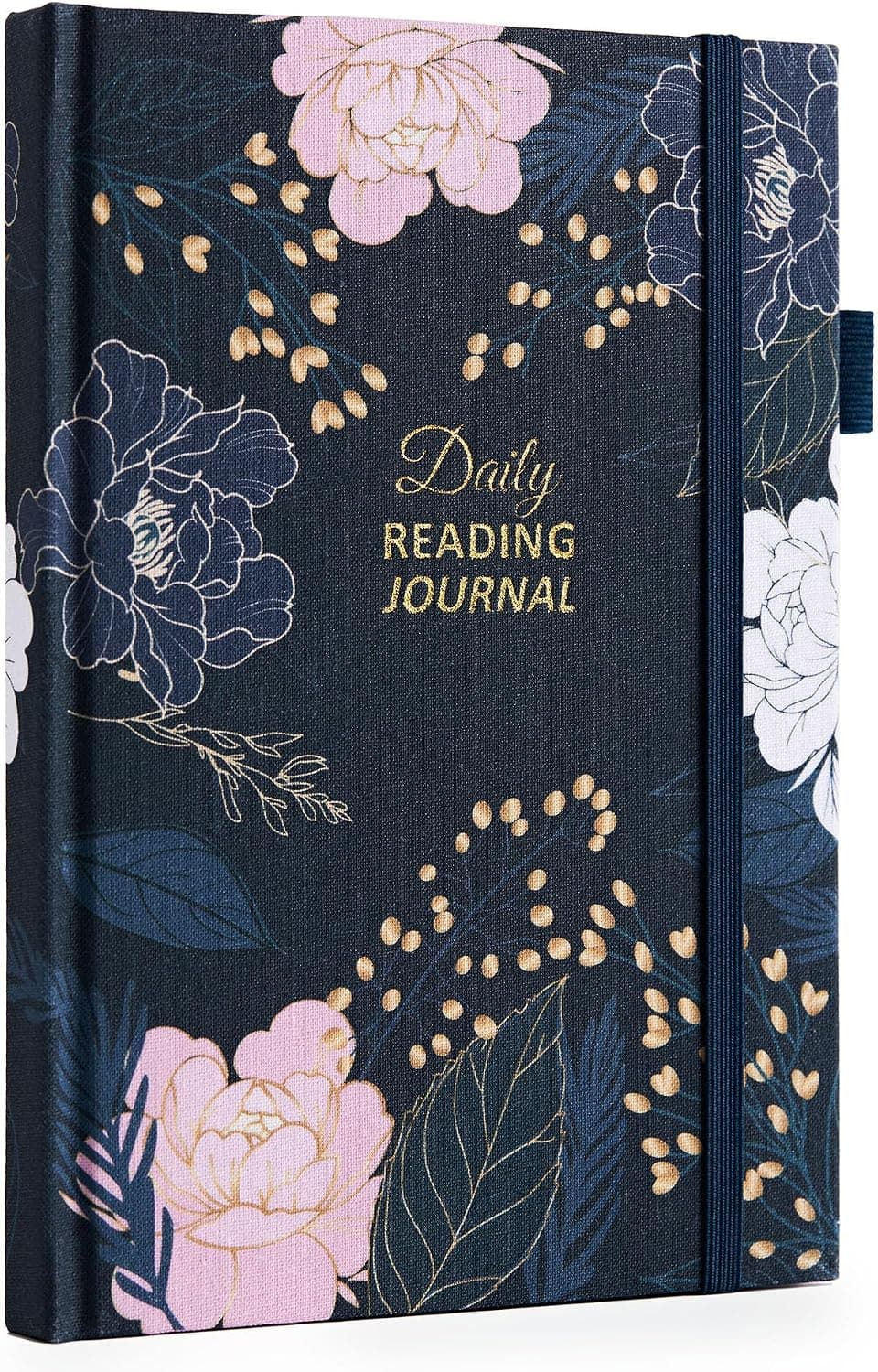 Comkiso Reading Journal Two review pages per book, an index, a TBR tracker and a back pocket — the fullest structure of any journal here. | 75 books | The most complete package | 8.3 | Check price |
| 2 | 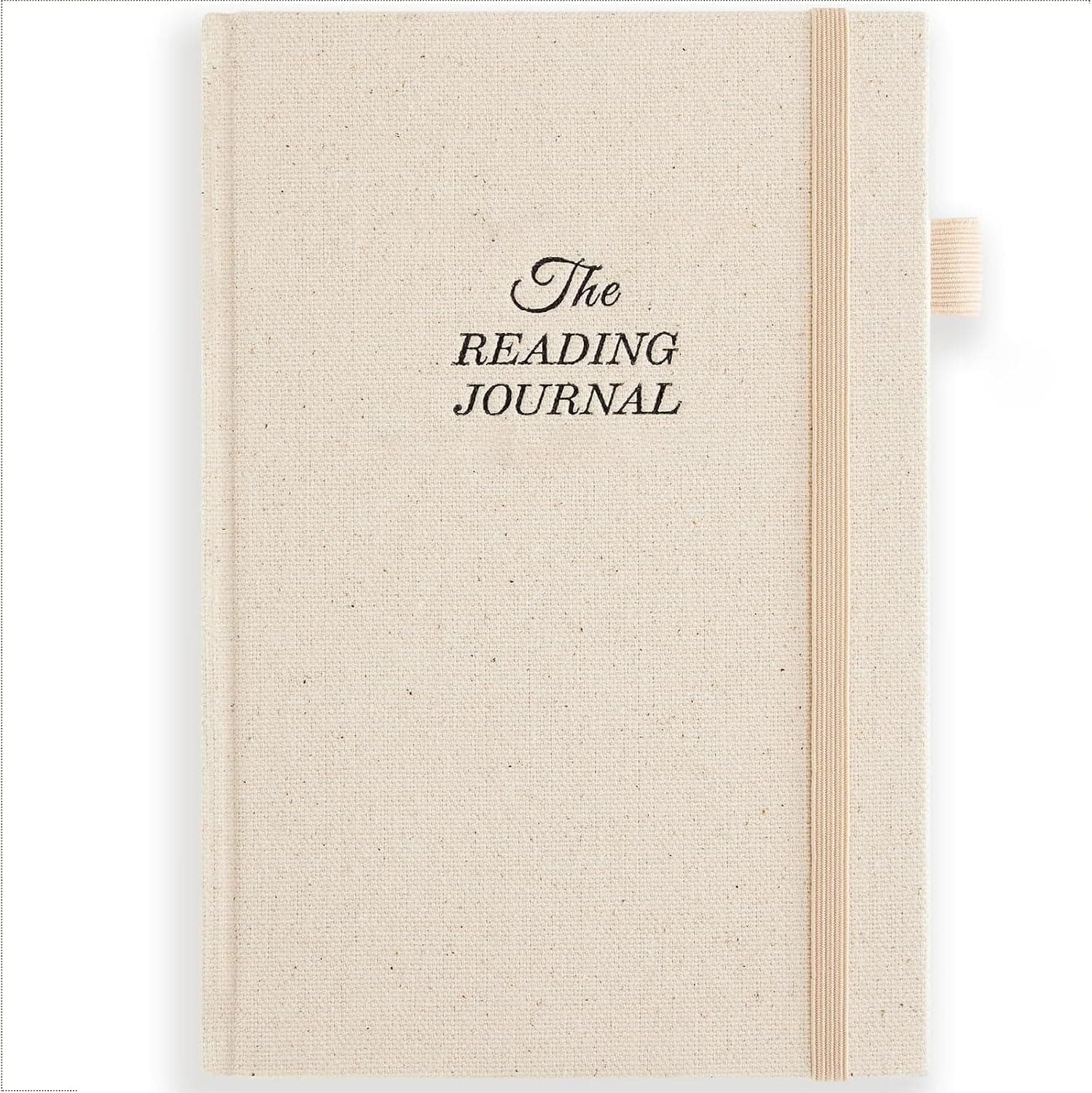 JUBTIC Reading Journal 5.2 by 7.7 inches — noticeably smaller than the A5 standard — in linen hardcover, with three ribbons and a pen loop. | 75 books | The compact one | 8.2 | Check price |
| 3 | 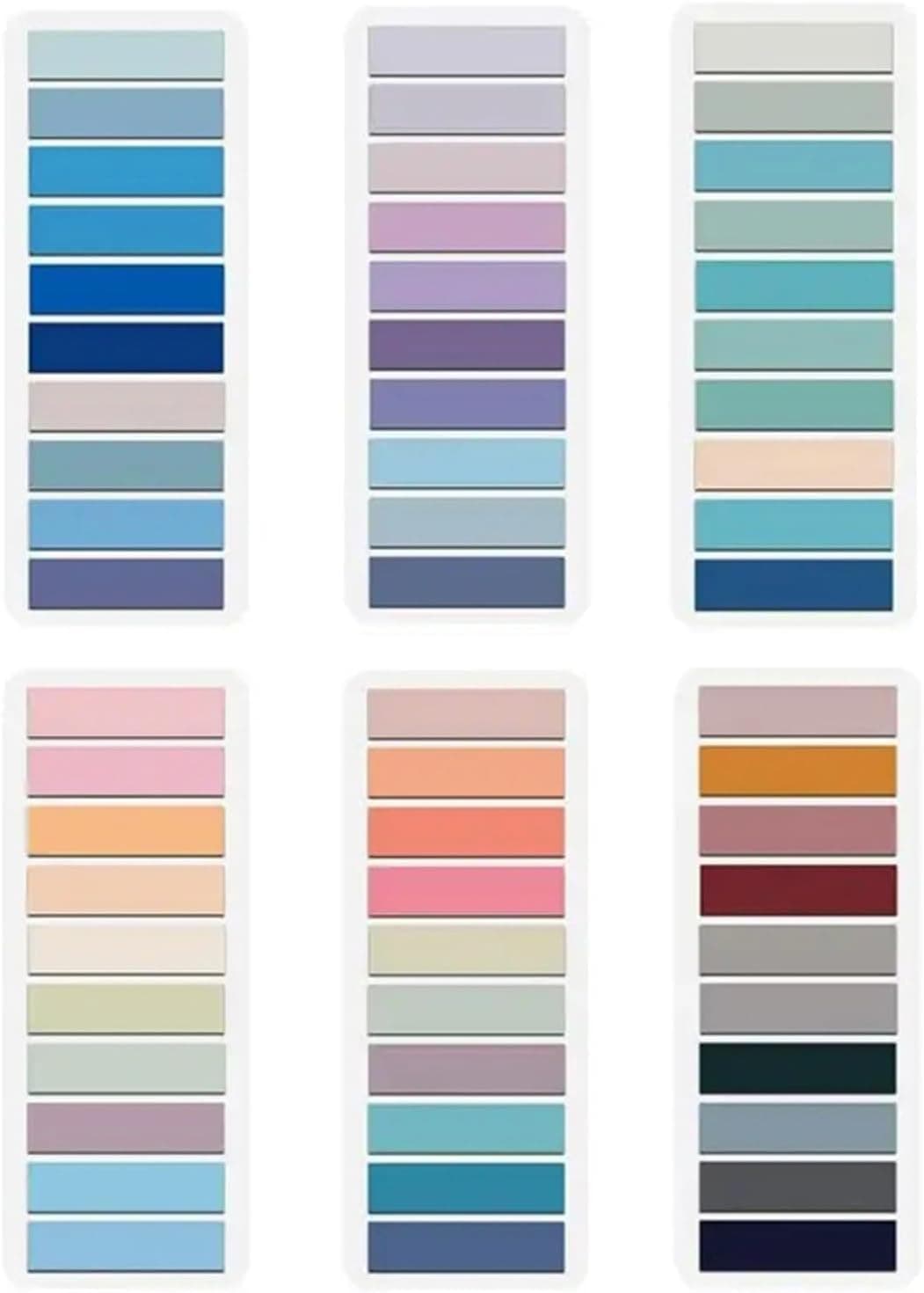 Lysas Morandi Sticky Tabs, 1,200 Pieces Twelve hundred writable PET tabs in six muted colors, sized and specified properly — the most-used gift on this list, per dollar. | 1,200 tabs, 6 colors | Someone who annotates | 8.0 | Check price |
The three ways a reading journal dies are worth naming, because the fix for each is a setup decision rather than a discipline problem.
- The entry is too long. If a proper entry takes twenty minutes, you will skip it once, then the backlog makes it worse, and by book four you have stopped.
- You save it up. Writing about a book two months after finishing it produces a worse entry and takes longer, which reinforces the first problem.
- The first entry is a masterpiece. A beautifully lettered first page sets a standard the twelfth entry cannot meet, and the gap between the two is where people quit.
Step 1: decide the minimum entry, and make it small
Four lines. Title, author, the date you finished, and one sentence of what you thought. That is the entry. Anything more is a good day rather than a requirement, and the distinction has to be real to you or it does not work.
A useful test: could you write the minimum entry standing up, in ninety seconds, on the day you finished? If not, cut it down.
Step 2: put the rating on a scale you will not fight with
Five stars with halves is the standard and it is the standard for a reason. Ten-point scales invite agonizing over a seven versus a seven-and-a-half, which is time spent not reading. Some people prefer three buckets — loved it, fine, would not again — which is faster still and honestly about as informative in retrospect.
Step 3: write it the day you finish
This is the whole discipline and there is not much more to say about it. The entry takes two minutes on the day and fifteen a month later, because a month later you have to reconstruct what you thought.
The practical trick is to keep the journal where the reading happens rather than where the writing normally happens. A journal on the desk in the study is a journal you visit; one on the bedside table is one you use.
Step 4: use tabs while you read, not memory afterwards
The gap between “I want to remember that line” and finishing the book is where most of a reading journal's raw material is lost. Sticky tabs solve it in about a second per use: mark the line as you pass it, and the entry writes itself later from four tabs rather than from memory.
This is why the tabs are on this page rather than only on the gift guides. They are not a separate hobby; they are the input to the journal.
Step 5: set up two lists at the front, and nothing else
A to-be-read list and a did-not-finish list. The first is obvious. The second is the one people skip and the one that turns out to be interesting: a year of abandoned books tells you more about your taste than a year of finished ones, and writing down why you stopped takes one line.
Resist adding a habit tracker, a year grid, a genre pie chart and a monthly spread on day one. Those are the parts that look best on the internet and die first. If you still want them in June, the journal will still be there.
What to write, if the sentence is hard
When the one sentence will not come, answer one of these instead. Any of them is a complete entry.
- Who would I give this to?
- What did it remind me of?
- What did I expect that did not happen?
- Is there a line I will remember in a year?
What to track in a reading journal goes through the fuller set, including the ones worth adding later.
Every pick
All of them, in full
Each write-up shows the gift-fit score broken into its five parts, the specs the seller actually publishes, and who should give it a miss.
No. 1 — The most complete package
Comkiso Reading Journal
Two review pages per book, an index, a TBR tracker and a back pocket — the fullest structure of any journal here.
| Spec disclosurecomputed | 14 / 20 |
|---|---|
| Gift readinessour call | 18 / 20 |
| Works for any readerour call | 17 / 20 |
| Materials and buildour call | 16 / 20 |
| Everyday useour call | 18 / 20 |
| Total | 83 / 100 |
| Page count or review count | 75 book reviews, two pages each Seller’s listing, read 2026-09-07 |
|---|---|
| Trim size | A5 Seller’s product title, read 2026-09-07 |
| Cover material | Linen Seller’s product title, read 2026-09-07 |
| Binding | Not published Not published |
| Paper weight | Not published Not published |
| Prompted or blank | Prompted — title, author, start and finish dates, star rating, plus an index, daily reading pages, challenges and a TBR list Seller’s listing, read 2026-09-07 |
| Extras included | Pen loop, ribbon bookmark, elastic band, back pocket Seller’s listing, read 2026-09-07 |
Two review pages per book instead of one is the structural decision that separates this from the rest of the category. Seventy-five books at two pages each is a book you write paragraphs in, not one you fill in like a form — and for a reader who actually has thoughts about what they read, that is the whole point of owning one.
The index is the underrated feature. A journal with 75 entries and no index is a journal you cannot search, and after two years that is exactly what you want to do with it. Very few in this category include one.
Everything a stationery person checks for is here: pen loop, ribbon, elastic closure, back pocket for the loose things that accumulate. The two blanks are paper weight and binding, and paper weight is the one that would decide it against the SIMVIA for someone who writes in fountain pen.
Give it if
The reader who annotates, has opinions, and will use both pages. Also the best of these for a book club.
Skip it if
They want to record a title and a star rating and move on. Two pages a book is a lot of paper.
No. 2 — The compact one
JUBTIC Reading Journal
5.2 by 7.7 inches — noticeably smaller than the A5 standard — in linen hardcover, with three ribbons and a pen loop.
| Spec disclosurecomputed | 17 / 20 |
|---|---|
| Gift readinessour call | 17 / 20 |
| Works for any readerour call | 16 / 20 |
| Materials and buildour call | 16 / 20 |
| Everyday useour call | 16 / 20 |
| Total | 82 / 100 |
| Page count or review count | 75 book reviews Seller’s listing, read 2026-09-07 |
|---|---|
| Trim size | 5.2 x 7.7 in Seller’s listing, read 2026-09-07 |
| Cover material | Linen hardcover Seller’s listing, read 2026-09-07 |
| Binding | Not published Not published |
| Paper weight | 100 gsm, FSC certified Seller’s listing, read 2026-09-07 |
| Prompted or blank | Prompted, with book-club discussion questions and reading challenges Seller’s listing, read 2026-09-07 |
| Extras included | 3 colored ribbon bookmarks, pen loop Seller’s listing, read 2026-09-07 |
Six of seven checklist items published, which is the best disclosure in this category and the reason it outranks journals with more capacity. The only blank is the binding.
It is the small one. At 5.2 by 7.7 inches it is a full inch shorter than the A5 journals here, which is the difference between something that lives in a handbag and something that lives on a desk. If the person you are buying for reads on a commute, that matters.
Three ribbon markers rather than one is a small, specific kindness: one for the current book, one for the index, one for the challenge page. Once you have used a journal with three you notice the ones with one.
Give it if
A reader who wants to carry it, and a book club that wants the discussion prompts.
Skip it if
They write large. Smaller trim means smaller boxes to write in.
No. 3 — Someone who annotates
Lysas Morandi Sticky Tabs, 1,200 Pieces
Twelve hundred writable PET tabs in six muted colors, sized and specified properly — the most-used gift on this list, per dollar.
| Spec disclosurecomputed | 16 / 20 |
|---|---|
| Gift readinessour call | 13 / 20 |
| Works for any readerour call | 17 / 20 |
| Materials and buildour call | 15 / 20 |
| Everyday useour call | 19 / 20 |
| Total | 80 / 100 |
| Material | PET film — non-toxic, odorless, waterproof Seller’s listing, read 2026-09-07 |
|---|---|
| Dimensions | 1.73 x 0.43 in each Seller’s listing, read 2026-09-07 |
| Quantity in pack | 1,200 — six sets of 200 Seller’s listing, read 2026-09-07 |
| Gift packaging | Not published Not published |
| Care instructions | Writable, removable and repositionable Seller’s listing, read 2026-09-07 |
Annotating with tabs — marking a line, a passage, a scene to come back to — is now how a very large number of readers read, and a person who does it goes through tabs constantly. This is the gift that actually gets used up, which is a better property in a present than it sounds.
PET rather than paper is the specification that matters. A paper tab tears when you peel it off and leaves adhesive on the page; a PET film tab does not, and it can be repositioned. It is also writable, which paper-backed transparent tabs frequently are not.
One and three quarter inches by four tenths is the standard annotation size — small enough to sit inside a paperback margin without sticking out past the page edge, which is the failure mode of the larger office flags people substitute.
Twelve hundred is enough for a year of heavy annotating. The 4,200-piece set below is enough for several, if you want the more obviously generous version of the same gift.
Give it if
Anyone who reads with a pen in their hand, or who has ever photographed a page to remember a line.
Skip it if
They treat books as objects to keep pristine. Not everyone wants to stick things in them.
Answers
Questions people actually ask
How do you start a reading journal?
Decide a minimum entry of four lines — title, author, finish date and one sentence — and write it on the day you finish each book. Add a to-be-read list and a did-not-finish list at the front, and nothing else on day one. Keep the journal where you read rather than where you normally write. Everything beyond those four lines should feel optional, because that is what stops it becoming a chore in February.
What should you write in a reading journal?
At minimum: title, author, the date you finished, and one sentence about what you thought. If the sentence is hard, answer one of these instead — who would I give this to, what did it remind me of, what did I expect that did not happen, or is there a line I will remember in a year. Any one of those is a complete entry.
Why do people give up on reading journals?
Almost always because the entry is too long. A twenty-minute entry gets skipped once, the backlog makes the next one worse, and by the fourth book it has stopped. The related failure is making the first entry a beautifully lettered masterpiece, which sets a standard the twelfth entry cannot meet. Both are setup problems rather than discipline problems.
Should I write in my reading journal while reading or after finishing?
Mark passages while you read — sticky tabs take a second and preserve the raw material — and write the entry on the day you finish. Writing it a month later takes far longer and produces a worse entry, because you are reconstructing what you thought rather than recording it.