Shelf & Display
Do bookends damage books?
They can, and the mechanisms are specific enough to design around. Only one of them is about the bookend itself — the other three are about how the shelf is loaded.
By Scooter M. · Published · Last updated
1. Thin edges and unrounded corners
A bookend's contact face presses against one cover of one book, permanently. If that face is a thin steel edge or a sharp corner, it concentrates the whole row's sideways force onto a line, and over months that line becomes a crease or an indent in the board.
It is the one damage mechanism the bookend itself causes, and it is also the easiest to avoid: nearly every listing in our bookends guide mentions rounded edges and a flat contact face, because sellers know it is a complaint. Check the photograph for a broad flat face rather than an edge.
The free fix, if you already own the sharp ones: put a paperback you do not care about at each end of the row as a sacrificial layer.
2. Books leaning at an angle
This causes far more damage than bookends do and it is what a bookend is supposed to prevent. A book stored at a lean carries its own weight through the spine at an angle, and over a year or two the spine deforms and the text block shifts inside the case. Hardcovers show it worst.
The fix is the fix for everything on this page: books should stand upright, tight but not crushed, or lie flat. There is no third good option, and a shelf half-full of leaning hardcovers is doing damage every day it stays that way.
3. Squeezing a row too tight
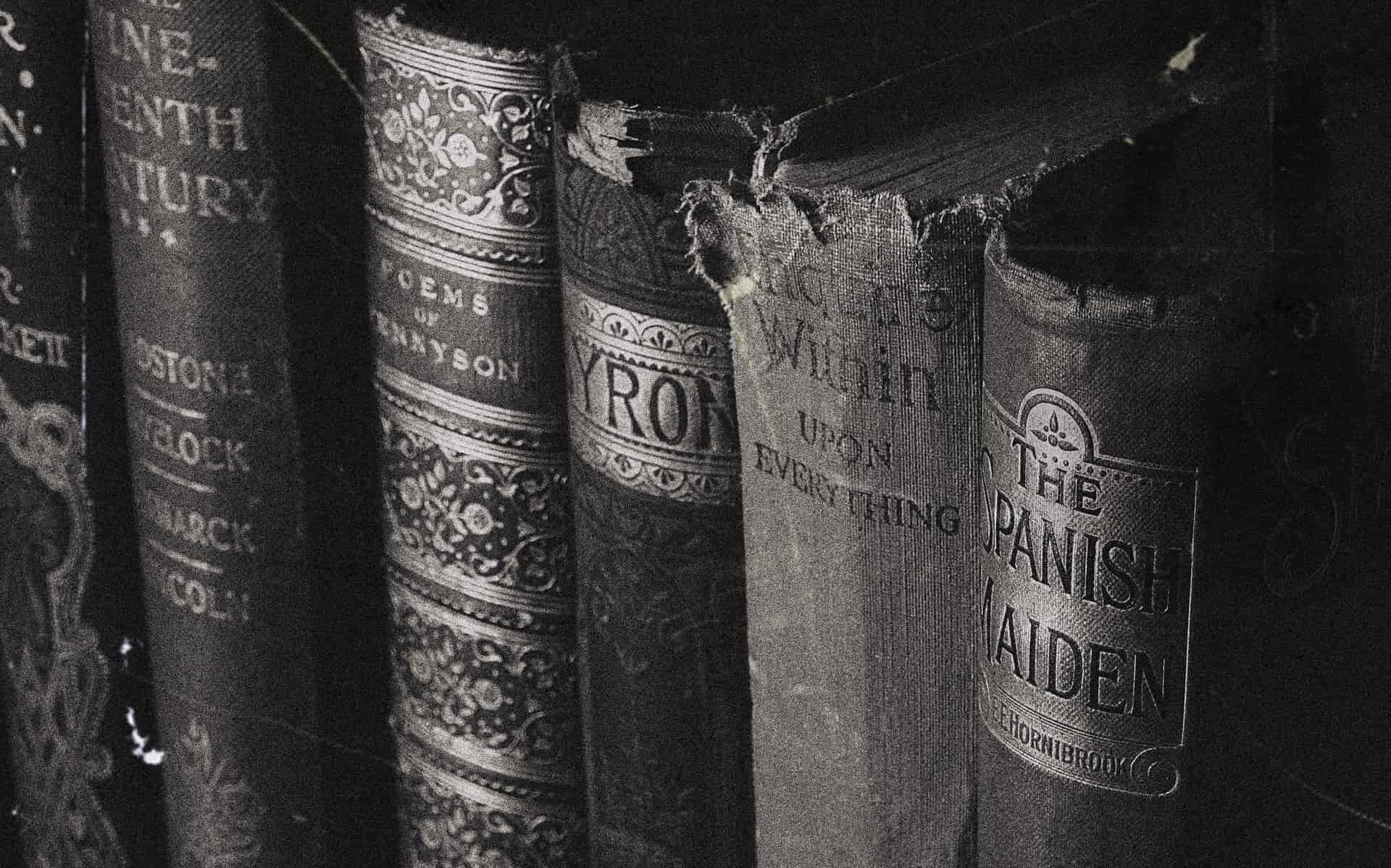
The overcorrection. A row compressed hard enough that pulling one book out requires a proper tug will scuff the head of the spine — that little tear at the top of the spine on old paperbacks is almost always this, from being pulled out by the headcap.
Tight enough that nothing leans, loose enough that a book comes out when you push its neighbors back and grip its sides. If you have to pull from the top edge, it is too tight.
4. Sunlight, which is not about bookends at all
Worth including because it does more visible damage to a shelf of books than every mechanical cause combined. Direct sun fades spines in a single summer, and the fading is irreversible. A shelf facing a south-facing window will show it as a bleached stripe across every spine at the height the sun reaches.
Nothing about a bookend affects this. It is here because people who care enough to ask whether bookends damage books usually also want to know what actually does.
Is lying books flat better than standing them up?
For large and heavy books, yes. An oversized art or cookery book stood upright carries its whole weight on the bottom edge of a case that was not really designed for it, and over years the boards splay. Flat in a stack of two or three is genuinely better for those, and it has the useful side effect of making the stack a bookend for the rest of the row.
For normal-sized books, upright is fine and easier to use. A stack more than three or four deep starts pressing on the bottom book more than the shelf ever would.
What about the plastic jackets?
Archival polypropylene jackets — the sort libraries put over dust jackets — protect against exactly the things that actually happen: tearing, scuffing, greasy fingers and dust. They do nothing about leaning or sunlight. Our book sleeves guide covers what to look for, including why acid-free matters and ordinary plastic can make things worse.
Answers
Questions people actually ask
Do bookends damage books?
A well-designed bookend does not. Damage comes from a thin or sharp contact edge pressing into one cover over months, which is why nearly every bookend listing advertises rounded edges and a flat face. If yours have sharp edges, a paperback you do not care about at each end of the row solves it for free.
What actually damages books on a shelf?
Leaning, above everything else — a book stored at an angle carries its weight through the spine at an angle and deforms over a year or two. Then squeezing a row so tight that books have to be pulled out by the headcap, which causes the little tear at the top of old paperback spines. And direct sunlight, which fades spines in one summer and is irreversible.
Is it better to store books upright or flat?
Upright for normal-sized books — easier to use and perfectly fine. Flat for large and heavy ones: an oversized art or cookery book stood upright carries its whole weight on a bottom edge that was not designed for it, and the boards splay over years. Keep flat stacks to three or four, because below that the bottom book takes real pressure.
How tight should books be on a shelf?
Tight enough that nothing leans, loose enough that you can take a book out by pushing its neighbors back and gripping its sides. If you have to pull from the top of the spine, the row is too tight, and that pull is what causes the torn headcap you see on old paperbacks.
Sources
Where the outside figures came from
- Library of Congress — care, handling and storage of books — Standard preservation guidance on upright storage, shelf tightness and light exposure.
- Northeast Document Conservation Center — storage and handling — Background on environmental damage and mechanical damage to bound volumes.