By Reader
Hardcover or paperback as a gift?
One is a better object and the other is a better book to read. Which matters depends entirely on whether the gift is meant to be kept or used.
By Scooter M. · Published · Last updated
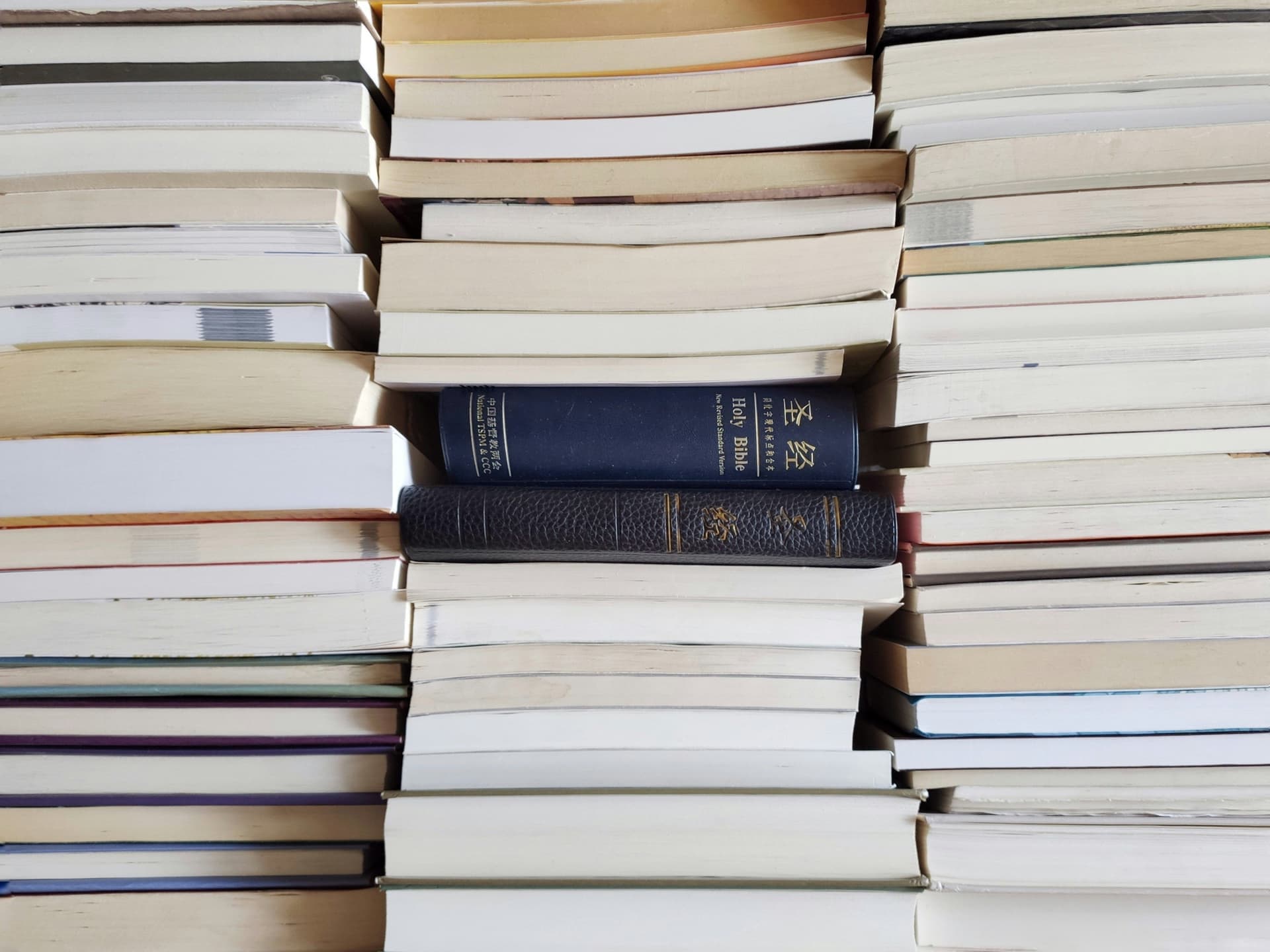
The comparison
What a hardcover is actually for
Permanence and presentation. It survives on a shelf for decades, it looks like a gift, and for a book somebody already loves it is the format that says the giver understood that.
What it is not good at is being read. Two to three pounds held open against its own spine tension for an hour is genuinely tiring, which is why book stands exist and why the stands people buy are almost always bought after acquiring a heavy hardcover.
The dust jacket is the other consideration. It is the most fragile part of the object and the first thing to tear in a bag. If the book is a keeper, an archival jacket over the dust jacket is what libraries do and it is cheap.
What a paperback is actually for
Being read. Half the weight, no spine tension to fight, and it fits in a bag — which is where most reading time actually comes from for anybody who commutes.
As a gift it looks like less, and it is worth being honest that this matters. A paperback on its own reads as slight; a paperback with a bookmark and a book sleeve reads as considered, and costs about the same as the hardcover would have.
Trade versus mass-market
Trade paperbacks — the larger format, roughly A5 — are the default for literary fiction and most new releases. Mass-market paperbacks are the small ones, mostly genre fiction, and they are meaningfully worse to read: smaller type, tighter gutters, and paper that yellows.
If the choice is between a trade paperback and a mass-market of the same title, the trade is the better gift by a wide margin and the difference in price is small.
The third option most people forget
A cloth-bound or illustrated edition of something they already love. It is the strongest version of a book gift, because the duplicate risk that undermines every other book purchase is not a risk at all — owning a battered paperback of it is the reason to give them a beautiful one.
How to pick a book as a gift makes the case for this at more length, and it is the one recommendation on this whole site about books themselves that we would push hard.
Answers
Questions people actually ask
Is a hardcover or paperback better as a gift?
Hardcover if the book is meant to be kept — a favorite, a beautiful edition, something they will reread. Paperback if it is meant to be read, carried and finished on a commute. The common mistake is giving a two-pound hardcover for a book that will live in a bag, where the dust jacket is the first thing to tear.
Why are hardcovers harder to read?
Weight and spine tension. A hardcover novel runs to one to three pounds against roughly half that for a trade paperback, and it has to be held open against a stiff binding. Holding both for an hour is the reason book stands exist, and stands are usually bought shortly after somebody acquires a heavy hardback.
What is the difference between trade and mass-market paperbacks?
Trade paperbacks are the larger format, roughly A5, and are the default for literary fiction and new releases. Mass-market paperbacks are the small ones, mostly genre fiction, with smaller type, tighter gutters and paper that yellows faster. Where both exist, the trade edition is the better gift and the price difference is small.
What is the best book format to give as a present?
A cloth-bound or illustrated edition of something they already love. It is the one book gift where the duplicate risk works in your favor rather than against you — owning a battered paperback of it is precisely the reason to give them a beautiful copy. It also only requires knowing one book they love rather than what they have not read.